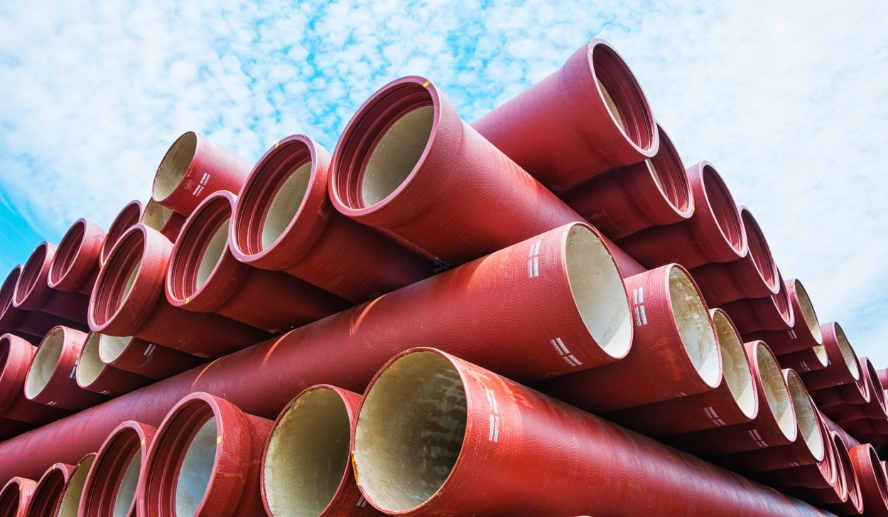
Introduction of Tubes & Fittings
In ultra-high purity (UHP) systems, tubing and fittings are more than just connection components—they form the backbone of the distribution network. Their selection directly affects system cleanliness, leak integrity, and long-term operational reliability.
Even when the overall system design is sound, improper material choice or surface condition can introduce contamination risks, pressure instability, or maintenance challenges. For this reason, selecting the right tubes and fittings requires careful consideration of material properties, internal surface quality, and compatibility with the intended application.
Why Tubes & Fittings Matter in UHP Systems
UHP systems are typically used in environments where even minor contamination or system inconsistency can impact process outcomes. Tubing and fittings must therefore support:
- Leak-tight performance to prevent ingress or loss of gases
- Low contamination risk through controlled internal surfaces
- Stable flow characteristics across the system
- Long-term reliability under operating conditions
Unlike general industrial piping, UHP systems demand tighter control over both material quality and installation practices.

Material Selection
Material choice is one of the most critical factors in UHP tubing and fittings. The selected material must align with both the process requirements and the operating environment.
Common Considerations
Corrosion Resistance
Materials should be resistant to the gases or chemicals being conveyed, preventing degradation and contamination over time.
Purity Requirements
For high-purity applications, materials must not introduce particles, outgassing, or internal contamination.
Mechanical Strength
Tubing and fittings must withstand operating pressures and installation stresses without deformation or failure.
Typical Materials Used
Stainless Steel (e.g., 316L)
Commonly used for UHP gas systems due to its corrosion resistance, strength, and compatibility with clean processes.
High-Purity Polymers (e.g., PVDF, PTFE)
Often used in chemical delivery systems where metal compatibility is a concern.
Material selection should always be aligned with the specific application rather than chosen based on availability or cost alone.
Surface Finish and Internal Condition
In UHP systems, the internal surface condition of tubing and fittings plays a major role in maintaining system cleanliness.
Why Surface Finish Matters
- Rough internal surfaces can trap particles or contaminants
- Irregular finishes may increase the risk of outgassing or adsorption
- Poor surface condition can affect flow consistency
Key Considerations
Smooth Internal Surfaces
A controlled, smooth surface helps reduce particle retention and supports clean gas flow.
Cleaning and Preparation
Proper cleaning processes are essential to remove residues, oils, and particulates before installation.
Consistency Across Components
Variations in surface finish between components can introduce inconsistencies in system performance.
Maintaining consistent internal quality across all tubing and fittings is essential for achieving reliable UHP performance.
Compatibility with Application
Beyond material and surface finish, tubing and fittings must be selected based on their compatibility with the specific system application.
Factors to Consider
Gas or Chemical Type
Different gases and chemicals may react differently with materials, requiring careful compatibility checks.
Pressure and Flow Requirements
Component selection must support the required pressure range and flow stability of the system.
Connection Type and Installation Method
Fittings should be suitable for the intended installation approach, whether welded, compression, or modular systems.
Environmental Conditions
Temperature, exposure, and installation environment can influence material and component selection.
Application-based selection ensures that components function correctly within the full system context—not just as standalone parts.
Common Selection Mistakes
Even well-designed systems can encounter issues if tubing and fittings are not properly specified. Typical mistakes include:
- Selecting materials without considering chemical or gas compatibility
- Using inconsistent surface finishes across the system
- Prioritizing cost over performance and reliability
- Overlooking installation requirements and accessibility
- Mixing component standards that are not fully compatible
Avoiding these issues requires coordination between engineering, procurement, and installation teams.
Practical Recommendations
To support reliable system performance, consider the following best practices:
- Define application requirements clearly before selecting components
- Standardize materials and surface finish specifications across the system
- Use components suitable for the required pressure and purity level
- Ensure proper cleaning, handling, and installation practices
- Work with suppliers who understand UHP system requirements
A structured approach to component selection helps reduce risk and supports long-term system stability.
Conclusion
In UHP systems, tubing and fittings are not minor details—they are critical elements that influence system integrity, cleanliness, and performance.
By carefully selecting materials, maintaining consistent surface quality, and aligning components with application requirements, it is possible to build systems that deliver reliable operation over time.
Attention to these factors during the planning and specification stage can significantly reduce operational issues and improve overall system outcomes.